
The Real Price of Going Modular in California
Modular sounds simple. You see a clean floor plan, a neat price per square foot, and it feels like the fastest path to a new home or ADU. But when people start real planning, they often find that the "modular home cost in California" is not just one number.
What actually matters is the full picture. Things like land prep, permits, utilities, and schedule can change the true cost more than the base price of the home itself. The kind of builder you choose matters too, especially if you want a smoother process and fewer surprises.
Traditional modular builders focus mainly on the box itself. Technology-driven builders can go further, using digital design and factory systems to compress time, reduce change orders, and bring more predictability to the whole project. That is where real savings can show up, in both money and stress.
Here, we will unpack the hidden cost drivers, explain when modular really saves you money, and show how to compare quotes fairly before you lock in a late spring or summer build window.
Why Modular Home Prices Online Do Not Tell the Whole Story
Those "from $X per square foot" tags you see online are usually just the factory portion. They often leave out big parts of the job that happen on your land.
Most online prices do not include things like:
- Site work and grading
- Foundations and footings
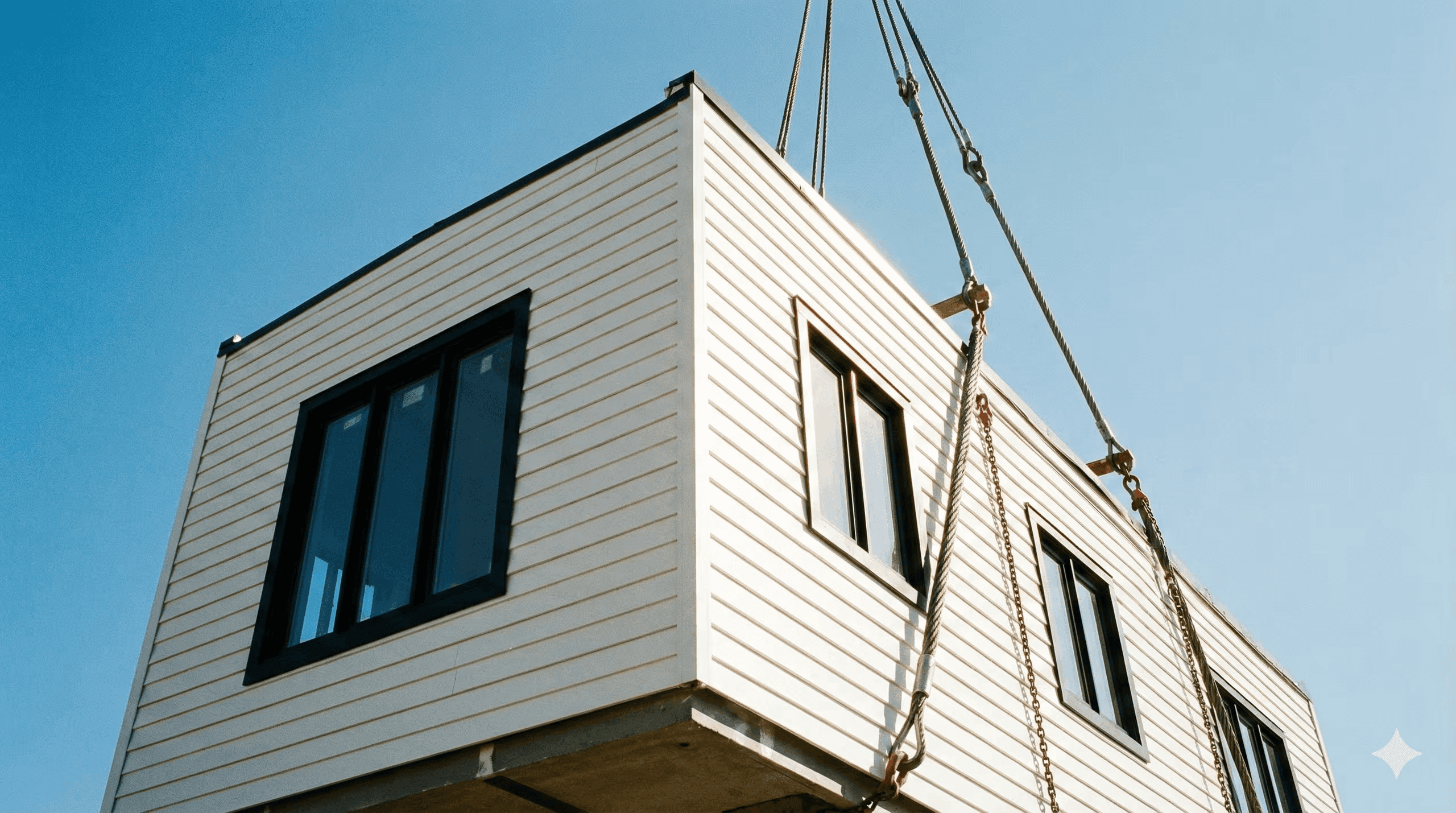
- Craning and on-site assembly
- Utility trenching and hookups
- Local permits and impact fees
There is also a big difference between a base model and your actual home. Once you add changes to layouts, window sizes, finishes, and built-ins, the cost can shift. In California, local rules on fire zones, seismic safety, and coastal conditions can add more design and engineering time too.
Another common pain point is the single-line estimate. You get one number, but no breakdown. That can feel fine at first, until you hit plan check or start trenching and find out what was missing. For anyone hoping to start work during summer, having a clear, line-item proposal upfront can help keep your budget from exploding halfway through.
Breaking Down the True Cost of a California Modular Home
To understand the real modular home cost in California, it helps to think in buckets instead of one big price. Each bucket can shift based on your lot, city, and goals.
The main buckets look like this:
- Design and engineering
- Factory fabrication of panels or modules
- Transportation and craning to your site
- Foundation and land prep
- Utility connections and trenching
- Permits, fees, and inspections
- Interior and exterior finishes
California adds its own twist. Energy codes push homes toward better insulation, airtightness, and efficient systems. Many areas have wildfire rules that affect exterior materials and defensible space. Seismic standards influence structure and connections to the foundation. Local impact fees and labor rates for site trades can also change the total.
This is why "per-square-foot" thinking can be tricky. Two homes with the same size can have very different total project costs and very different timelines. The delay cost matters too. If you are paying rent or a mortgage while you wait, every extra month has a real price, even if it never shows on the builder's quote.
How Timeline, Risk, and Quality Change the Cost Equation
Time is a bigger part of cost than most people expect. A faster and more predictable build can reduce things you feel every month, like:
- Rent while you wait to move in
- Loan interest while the project is open
- Storage costs and temporary living setups
Factory-based construction can shorten the messy part on your site, since a lot of the work is done in a controlled environment. This can also lower the risk from schedule problems, like waiting on subcontractors or dealing with surprise conditions.
Change orders are another hidden cost. On a traditional site-built project, it is easy for changes to multiply once framing starts. Technology-driven factories plan more of the details upfront, which can reduce last-minute changes and rework.
Quality affects cost over the long run too. Precision engineering and steel framing can bring:
- Stronger structure for seismic events
- Better performance in high-fire areas
- Straighter walls and tighter shells that help comfort and efficiency
Those things do not just feel good on move-in day. They can help lower repair, maintenance, and utility costs over time.
Comparing Quotes Fairly Across Different Build Types
If you compare a site-built quote, a basic modular quote, and a tech-driven factory quote side by side, it might feel like comparing three different languages. A fair comparison takes a bit of homework.
Start by checking what is included and what is not:
- Does each quote cover design and engineering?
- Are site prep, foundation, and utilities clearly listed?
- Who handles permits and coordination with the city or county?
- Are finishes and fixtures described in enough detail?
- Is the timeline tied to the scope in a clear way?
Also look at the schedule. A slightly higher total that gets you into the home months earlier may actually cost less when you add rent and carrying costs. On the other hand, a low price with a vague or very long schedule can cost more in real life.
There is also a difference between traditional modular and tech-enabled factories. Technology-driven teams often use digital design tools, integrated engineering, and panelized or modular systems built to work together from day one. Some can manage more of the process from the concept through installation, which can reduce the amount of juggling you need to do as a homeowner.
Maximizing Value with a Steel Modular Approach
At Fast Struct, we focus on precision-engineered steel panels and modules for homes and ADUs across California. Working from Silicon Valley, we design and build in a factory setting, then bring those pieces to your site for fast assembly.
Steel systems can help with:
- Strong structure and durability
- Consistent parts that fit together smoothly
- Reduced material waste in the factory
Because we handle design, engineering, fabrication, logistics, and installation, we can look at your project as one connected whole, not a pile of separate tasks. That is especially helpful in California cities and counties with detailed review processes.
When you start planning in spring, early collaboration can make a big difference. Getting site details, goals, and constraints on the table before the summer rush means you have a better chance at a clear schedule and more predictable total project costs.
Turning Today's Research Into a Confident Plan
If you treat the modular home cost in California as only a price-per-square-foot question, you miss the most important parts. The real picture includes site work, permits, utilities, timelines, risk, and long-term performance, not just the price of the box.
A better way is to line up your lot details, your budget range, and your timing goals, then ask for a full, transparent breakdown that covers each cost bucket and the schedule tied to it. That kind of clarity helps you move from spring research to an actual build plan with more confidence and fewer surprises.
Get Started With Your Project Today
If you are ready to plan your budget and timeline, explore our detailed breakdown of modular home cost in California to see what works for you. At Fast Struct, we walk you through each step so you understand exactly what you are paying for and why. Share your goals and site details, and we will help you shape a realistic, streamlined plan. If you already have a project in mind or specific questions, contact us so we can discuss next steps.


