
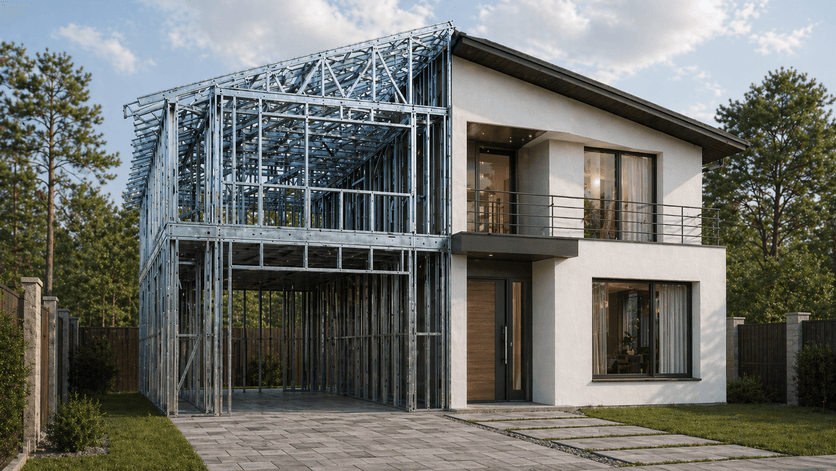
Owning a home in California should feel exciting, not exhausting. Yet many homeowners run into the same headaches: long build times, rising construction costs, and endless stress about permits and inspections. That is a lot to handle when you are just trying to add an ADU in the backyard or build a home that truly fits your life.
More people across the state are starting to look at steel frame modular homes as a better way to build. This approach combines factory precision with smart design and faster timelines. In this article, we will explain why steel frame modular homes are becoming such a strong fit for California homeowners, and how they can solve the most common pain points.
Why California Is Rethinking How Homes Get Built
California has a big housing need and not enough supply. Many homeowners want to add space, bring family closer, or replace an aging house, but they run into:
- Long and unpredictable construction schedules
- Rising labor and material costs
- Construction crews in the yard for months at a time
On top of that, wildfires and a changing climate are putting pressure on traditional building methods. Wood framing is familiar, but it is not always the best match for fire-prone areas or strict local codes. Homeowners want something stronger, cleaner, and more reliable.
Steel frame modular homes step in here. With this approach, the structure is designed and built in a factory, then delivered as modules or panels to your property. For California, this checks a lot of boxes: it works with strict regulations, supports sustainability goals, and fits a modern, busy lifestyle.
How Steel Frame Modular Homes Solve California Pain Points
One of the biggest reasons people are moving to steel frame modular homes is time. Traditional projects can stretch out, with delays from weather, labor schedules, or material shortages. A factory-based approach changes that.
With factory-built steel framing, a large part of the work happens indoors on a clear schedule. While your modules or panels are being built, site work can move forward at the same time. This parallel process can help shorten the total timeline and reduce how long your yard feels like a job site.
That also supports better cost control. When:
- Materials are ordered in a planned way
- Construction happens in a stable environment
- Work follows a repeatable process
there is less waste and fewer surprises. Budgets tend to be more predictable when the main structure is built under controlled conditions instead of fully on site.
California's rules for housing and ADUs can be complex, especially when you factor in seismic design, fire zones, and local approvals. A technology-driven factory that focuses on steel frame modular homes, like what we do at Fast Struct, is built around those requirements. We design with those rules in mind from day one, which can help streamline the path from idea to actual permit-ready plans.
Fire Resilience and Strength for a Changing Climate
Wildfire risk is a daily concern across many parts of California. That is one reason steel is drawing so much attention. Steel is not a fuel source, and it does not burn the way wood does. This gives homeowners an option that is better aligned with fire-aware building practices.
Against traditional wood framing, steel brings several advantages that matter in California's varied conditions:
- It does not warp or twist the way wood can over time
- It does not attract termites or other pests that target wood
- It is not a food source for mold
From the coast to dry inland areas to hilltop lots, those differences can help the structure stay straighter and stronger for longer.
Steel also pairs well with seismic design. Precision-engineered steel frames and panelized systems can be built to create strong, consistent connections. That kind of predictability is important in areas that experience earthquakes or strong winds. A well-designed steel frame can help the home respond in a more controlled way when the ground moves or when storms roll through.
Design Freedom, Comfort, and Modern Living
Some people think "modular" means boxy or boring. With steel frame modular homes, the reality is very different. Steel has a high strength-to-weight ratio, which gives designers freedom to open up the floor plan.
That can mean:
- Large open living spaces
- Wide spans without interior load-bearing walls
- Big window openings to bring in natural light
These options line up nicely with how many Californians want to live: bright spaces, indoor-outdoor flow, and room to gather.
Comfort and efficiency matter too. Factory-built modular and panelized systems can be designed for tight building envelopes that limit unwanted air gaps. That works well with:
- Modern insulation choices
- Solar-ready roofs
- All-electric layouts and EV charging support
At Fast Struct, we focus on pairing our steel systems with layouts that fit each lot and lifestyle. That can range from compact ADUs and backyard studios to larger multistory homes. The structure is modular, but the design can be customized around how you actually plan to live day to day.
Faster Move-in From Idea to Keys in Months, Not Years
When you are planning a new space, timing is everything. Families often try to match construction to school calendars, job changes, or caring for loved ones. A steel frame modular approach can make that planning easier.
Here is what a typical project flow with our team at Fast Struct often looks like:
- Initial design and feasibility for your lot
- Detailed engineering and permit-ready plans
- Factory fabrication of steel frames, modules, or panels
- Site work such as foundation and utilities
- Delivery, installation, and final finishes
The key is that factory work and site work can move forward at the same time. You are not always waiting for one stage to fully finish before the next can begin. That can shorten the overall timeline and reduce how long you are paying for alternate housing or juggling life around a construction site.
End-to-end project management also matters. When design, engineering, manufacturing, and installation are coordinated by one team, there are fewer gaps for miscommunication. That makes it easier to plan around life events, set realistic expectations, and feel calmer through the process.
Why Now Is the Moment to Consider a Steel Frame Modular Home
Spring and early summer are prime times for homeowners across California to start planning building projects. There is more daylight, school schedules are about to shift, and many people feel ready to make decisions they have been putting off.
If you have been thinking about adding living space, this is a smart moment to:
- Review your property for ADU or replacement home options
- Take a fresh look at local zoning and recent ADU-friendly policies
- Clarify how much space you really need and how you want it to feel
Steel frame modular homes fit squarely into this moment. They are designed for speed, strength, and modern comfort, while aligning with California's building rules and long-term climate concerns. At Fast Struct, based in Silicon Valley and focused on serving homeowners across the state, we are committed to making the entire process more predictable and less stressful, from early ideas all the way to move-in day.
Get Started With Your Project Today
Explore how our steel frame modular homes can give you faster build times, long term durability, and predictable costs. At Fast Struct, we work with you to align design, engineering, and production so your project moves smoothly from concept to completion. If you are ready to discuss timelines, budgets, or technical details, contact us and we will help you map out the next steps.


